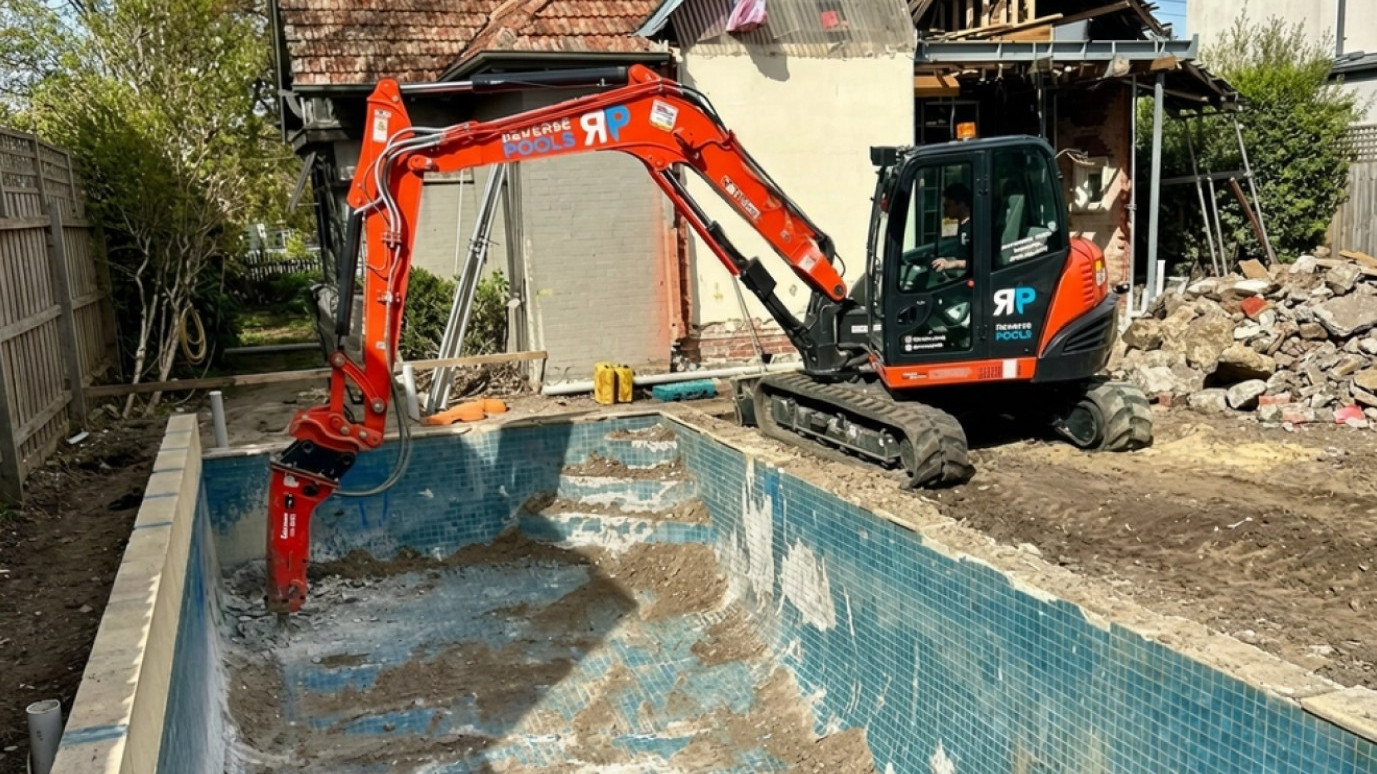
Why Consider Pool Demolition?
Deciding to remove a backyard swimming pool is a significant choice, and for many homeowners, it’s becoming a more common one. While pools once symbolised the ultimate in leisure, modern lifestyles and practical considerations are leading people to reassess their value. You might be finding that the upkeep is becoming a drain on your time and finances, or perhaps your family’s needs have changed. Many people are opting for pool removal to reclaim their yard space for more versatile uses.
Think about it: a pool often only gets used for a few months of the year, leaving a large portion of your property dedicated to a single purpose. You might be envisioning a larger entertaining area, a safe play space for children, a thriving garden, or simply more lawn. Swimming Pool Demolition opens up a world of possibilities for how you use and enjoy your outdoor space throughout the entire year.
Beyond changing preferences, safety is a major factor. Pools, even with precautions, can present risks, especially if you have young children or pets. The ongoing worry about accidents can be stressful. Furthermore, the liability associated with owning a pool can sometimes impact insurance costs. Removing the pool can offer peace of mind and potentially lead to savings on your home insurance premiums over time.
Here are a few common reasons homeowners choose to say goodbye to their pools:
- Shifting Lifestyle Needs: Your family might have outgrown the pool, or your recreational priorities have changed. You might prefer spaces for year-round enjoyment.
- High Maintenance Costs: The ongoing expenses for chemicals, cleaning, repairs, and heating can add up significantly each year.
- Safety Concerns: Reducing potential hazards for children, pets, or even visiting guests is a priority for many.
- Desire for More Usable Yard Space: Reclaiming the area for other activities like gardening, play areas, or outdoor living spaces is a popular choice.
- Preparing to Sell: A pool can sometimes be a deterrent for potential buyers, and its removal might make your property more appealing or easier to sell.
Removing a pool isn’t just about getting rid of a structure; it’s about reimagining your outdoor living area to better suit your current life and future plans. It’s an investment in a more functional, safer, and adaptable backyard.
The Pool Demolition Process: A Step-by-Step Guide
A “Swimming Pool Demolition” is more involved than just breaking apart concrete and refilling dirt. Here’s what you can expect along the way, from start to finish. Each step comes with its own set of challenges and requirements.
Initial Assessment and Planning
Your demolition journey begins with a thorough site assessment. Contractors will inspect your property, noting access routes, pool materials, and potential site risks (like buried utilities or landscaping obstacles). They’ll talk through available demolition options and create a plan that suits your property’s needs and council requirements.
- Measure pool size and construction type
- Identify challenges (tight access, nearby structures, landscaping)
- Review pool location for environmental or drainage issues
Be patient at this stage; careful planning helps prevent costly delays and headaches later on.
Obtaining Necessary Permits
You are required to secure local council permits beforehand—this is not negotiable. The process may involve supplying detailed plans about how you’ll drain the pool, manage demolition, and restore the site. Some councils have strict rules about water disposal and ensuring the process won’t affect neighbouring properties.
- Submit required documents to local council
- Allow several weeks for approval—processing times vary
- Factor in costs and compliance requirements early
Draining the Pool
Emptying the pool isn’t as simple as pulling the plug. Many councils have rules preventing chlorinated water from entering storm drains. Water may need to be dechlorinated first, or pumped to a specific location recommended by your council.
- Arrange proper utility disconnection (electric, gas, water)
- Pump water as directed by council guidelines
- Cap off all utility lines for safety
Demolition Methods: Options and Considerations
There are generally two approaches to “Swimming Pool Demolition”: full removal and partial removal (fill-in).
- Full removal: Every bit of the pool structure and decking is broken up and hauled away. It’s more expensive, but often preferred if you plan to build or landscape over the area.
- Partial removal: The shell is broken in places for drainage, but much of it stays underground. Cheaper, but can limit future use of the space.
| Method | Cost | Future Land Use | Duration |
|---|---|---|---|
| Full removal | Higher | Unrestricted | 1-2 weeks |
| Partial fill-in | Lower | Restricts building | Few days–1 wk |
Removal of Debris and Backfilling
Once the structure is demolished, all concrete, steel, and debris must be removed or properly buried (if permitted). The area is then filled, layer by layer, with compacted dirt and gravel. This is a time-consuming step – and the quality here ensures your yard won’t sink or shift in the future.
- Remove and properly dispose of construction debris
- Backfill using engineered fill for stability
- Compact soil layers to prevent future settling
Site Restoration and Landscaping
When filling and compaction are finished, it’s time for basic restoration. The surface will be levelled and graded for drainage. You may choose to reseed the lawn, lay new turf, or plan additional landscaping. Fence panels or garden beds disturbed during the process will be put back. It can take a while before your garden looks lush again, but patience pays off here.
- Topsoil and grass seed or turf installed
- Damaged fences and patios repaired
- Final site clean up
Expect some noise, dust, and disruption throughout, but a reputable contractor will keep these to a minimum and communicate clearly at each stage.

Choosing the Right Pool Demolition Contractor
So, you’ve decided to say goodbye to your pool. That’s a big step, and the next one is picking the right people to do the job. It’s not just about finding someone with a digger; you want a team that knows their stuff and will get it done right, without any nasty surprises down the track.
Your contractor is your main point of contact and the one responsible for the actual work, so choosing wisely is pretty important. Look for a company that’s got a solid track record. Ask for references, check out their past projects if you can, and see what people are saying about them online. Are they responsive? Do they seem organised? These are good signs.
Here are a few things to consider when you’re vetting potential contractors:
- Licensing and Insurance: Make sure they’re properly licensed and insured. This protects you if anything goes wrong on site.
- Experience: How long have they been doing pool demolitions specifically? Experience means they’ve likely seen and dealt with all sorts of situations.
- Communication: Can you talk to them easily? Do they explain things clearly, like the process, the timeline, and what happens with the debris? Good communication is key to a smooth project.
- Detailed Quote: Get a written quote that breaks down all the costs. No one likes hidden fees, so make sure you know exactly what you’re paying for.
- Permit Handling: A good contractor will handle the necessary permits for you. This can be a bit of a headache, so it’s a big plus if they take care of it.
Don’t be afraid to ask questions. A reputable contractor will be happy to walk you through their process and address any concerns you might have. It’s better to clarify everything upfront than to deal with misunderstandings later.
Think about the type of demolition you need too – full removal or a partial fill. Your contractor should be able to advise you on the best option based on your yard and any future plans you have for the space. They should also be upfront about how they’ll handle the debris and what the site will look like once they’re finished.
Costs Associated with Pool Demolition
Deciding to remove an inground pool is a big step, and understanding the associated costs is key to budgeting for the project. While the exact figures can fluctuate based on your location, the size and type of pool, and the specific demolition method chosen, there are several factors that contribute to the overall expense.
The primary cost drivers include labour, equipment hire, debris disposal, and site restoration. For a full inground pool removal, you’re looking at a more involved process which naturally incurs higher costs than a partial removal. This typically involves breaking up the entire concrete shell, hauling away the rubble, and then backfilling the excavated area with new soil and gravel.
Here’s a general breakdown of what influences the price:
- Pool Size and Depth: Larger and deeper pools require more material and labour to demolish and fill.
- Pool Material: Concrete pools, being the most common, often involve heavy machinery for breaking them up. Fibreglass or vinyl liner pools might have slightly different demolition techniques.
- Accessibility: If heavy machinery can’t easily access the pool area, it might require additional steps like fence removal, adding to the labour and time.
- Permits and Inspections: Local council permits are mandatory and come with their own fees.
- Debris Disposal: Transporting and disposing of concrete and rebar can be a significant expense.
- Backfill Material: The cost of importing and compacting suitable fill material is substantial.
- Site Restoration: This can range from basic grading to more involved landscaping.
While it’s difficult to give a precise figure without a site assessment, homeowners often find that the average time needed for pool demolition can also correlate with cost. A project that takes longer due to difficult access or complex demolition methods will naturally cost more in labour and equipment hire.
It’s wise to get detailed quotes from a few reputable contractors. These quotes should clearly outline what is included, from the initial draining and demolition to the final backfilling and grading. Don’t hesitate to ask questions about any line items you don’t fully understand.
For budgeting purposes, consider that a full inground pool removal can range anywhere from $5,000 to $15,000 or more, depending heavily on the factors mentioned above. Partial removals are generally less expensive, often starting around $3,000 to $7,000.
Potential Challenges and How to Overcome Them
While removing a pool can open up a world of possibilities for your backyard, it’s not always a walk in the park. You might run into a few snags along the way, but knowing what to expect can make all the difference.
One common hurdle is dealing with unexpected underground issues. Sometimes, old plumbing or forgotten utility lines might be lurking beneath the surface. These can cause delays and add to the cost if they weren’t accounted for during the initial planning. Your contractor should do a thorough site assessment, but it’s always wise to ask about contingency plans for such discoveries.
Another challenge can be the logistics of debris removal. Pools are built tough, and breaking them up creates a significant amount of rubble. Getting this material off your property efficiently and responsibly is key. Reputable demolition companies will have a plan for this, often involving recycling concrete where possible. You’ll want to confirm their disposal methods and whether they comply with local environmental regulations.
Here are some common challenges you might face:
- Permitting Delays: Local councils can sometimes take a while to approve demolition permits. Starting this process early is your best bet.
- Access for Machinery: Getting heavy equipment into your backyard might be tricky, especially if gates are narrow or access is limited. Temporary fence removal might be necessary.
- Soil Compaction: Proper filling and compaction are vital to prevent future settling. This requires the right materials and techniques, often done in layers.
The success of your pool demolition project hinges on thorough preparation and choosing the right professionals. Don’t hesitate to ask your contractor about their experience with potential challenges and how they plan to address them. Clear communication upfront can prevent many headaches down the line.
Finally, managing your expectations regarding the timeline and budget is important. While contractors aim for accuracy, unforeseen circumstances can arise. Having a small buffer in both your schedule and your finances can help you navigate any surprises smoothly.
Life After Pool Demolition: What to Do With the Space
So, you’ve gone through the whole process of getting your pool removed. It’s a big job, no doubt about it. Now, you’re left with a patch of earth where your pool used to be. What happens next? This is where the real fun begins – reimagining your backyard.
Think about what you actually want from your outdoor space. Is it more room for the kids to run around? A dedicated spot for barbecues and entertaining friends? Perhaps a lush garden or even a place to put up a shed? The possibilities are pretty wide open now.
Here are a few ideas to get you thinking:
- Lawn Area: The simplest option is often to just fill the space, grade it properly, and lay down new turf. This gives you a flexible, open area that can be used for all sorts of activities, from backyard cricket to simply lounging in the sun.
- Patio or Deck: If you love entertaining, a new patio or deck is a fantastic choice. You can design it to fit your needs, whether it’s a small, intimate space or a large area for gatherings. This is a popular move, especially if you’re looking to extend your living space outdoors.
- Garden or Vegetable Patch: For those with a green thumb, the cleared space is a blank canvas for a new garden. You could create flower beds, plant some trees, or even start a productive vegetable patch. It’s a great way to add some natural beauty and perhaps even grow your own food.
- Play Area: If you have young children, you might consider installing a safe and dedicated play area with swings, a slide, or a sandpit.
Remember, the ground might settle a bit over time, so it’s wise to let it rest for a few months before undertaking major landscaping projects. Your contractor should have provided advice on this during the backfilling stage.
The key is to plan this next phase thoughtfully. Consider how you use your yard now and how you’d like to use it in the future. This is your chance to create an outdoor area that truly suits your lifestyle and brings you joy.
Wrapping Up Your Pool Demolition Project
So, you’ve gone through the process of removing your old pool. It’s a big job, no doubt about it, with permits, digging, and a lot of noise and dust. But now that it’s done, you’ve got a blank canvas. Remember that the ground might settle a bit over time, so keep an eye on that. Any final landscaping or building plans will come after that settling period. By understanding all the steps involved, from the initial paperwork to the final grading, you’ve successfully transformed your backyard. It’s a significant change, and with careful planning and the right help, you’ve created a space ready for whatever you decide to do next.