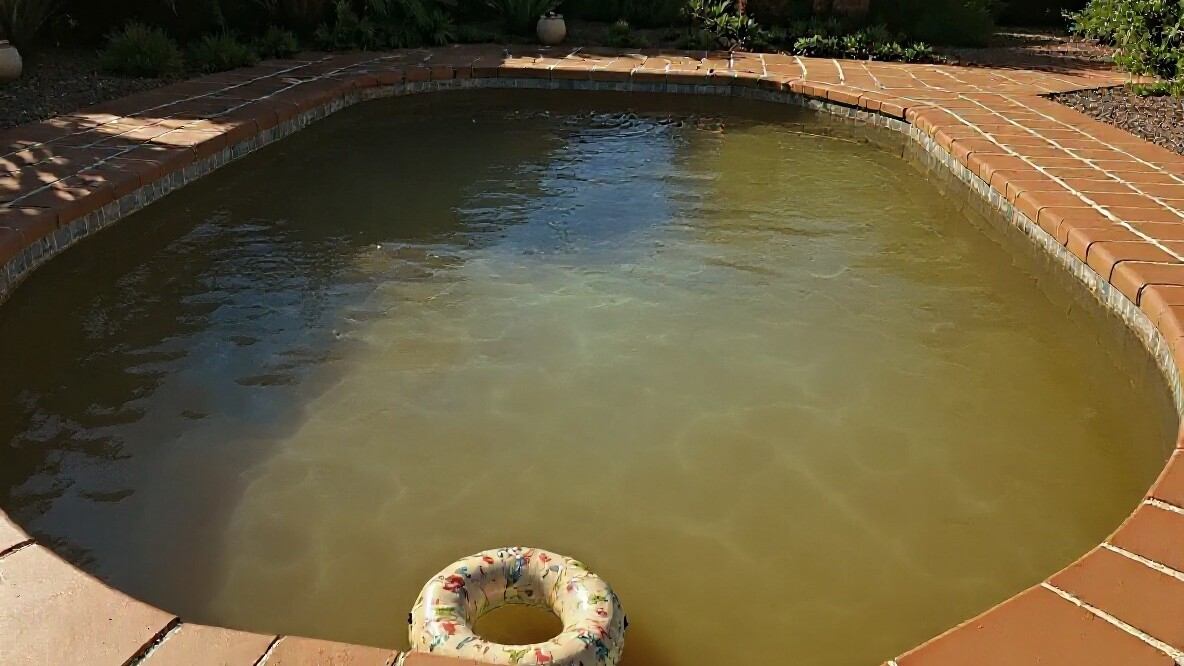
Deciding whether to keep or remove a pool from your property can be a big question for homeowners. It’s not just about the summer fun; it’s also about how that pool affects your home’s value and your wallet. We’re going to look at how Pool Removal and Property Value are linked, and what you need to think about when making this choice.
Key Takeaways
- Removing a pool can sometimes make your home more attractive to a wider range of buyers, especially those who prefer less upkeep or want to use the yard space differently.
- Pools come with ongoing costs for maintenance, chemicals, and higher insurance premiums. Getting rid of a pool can lead to significant long-term savings.
- The condition of your pool plays a big role. An old, damaged, or rarely used pool might actually lower your home’s value, making removal a sensible option.
- Consider your local real estate market. In some areas, pools are highly desired, while in others, they’re seen as a burden, affecting how removal impacts your property’s worth.
- Removing a pool can create more usable outdoor space, which can be a big plus for potential buyers looking for a flexible backyard, potentially increasing your home’s appeal and value.
The Impact of Pools on Property Value: A Mixed Bag
When you’re thinking about your home’s value, a swimming pool can feel like a real asset. On a hot Aussie day, who wouldn’t want their own place to cool off? It can definitely add a certain appeal, especially if you live in a warmer climate where you can use it for a good chunk of the year. For some buyers, a pool is a must-have, a sign of a home that’s ready for fun and relaxation. It’s like a built-in holiday spot right in your backyard.
However, it’s not always a straightforward win. While some buyers see a pool as a fantastic bonus, others see it as a big responsibility. Think about the ongoing costs: chemicals, cleaning, repairs, and potentially higher insurance premiums. Then there’s the safety aspect, particularly if young children are around. Not everyone wants that extra worry or expense. Some people might prefer to use that space for a garden, a play area for the kids, or just a nice patch of lawn to kick back on. It really depends on who’s looking to buy and what they’re after in a home.
So, does a pool automatically boost your home’s price? Not necessarily. It’s more about whether the right buyer comes along who values that feature. For some, it’s a major drawcard; for others, it might be a reason to look elsewhere. It’s a bit of a gamble, really.
When Pool Removal Might Increase Your Home’s Value
You might be surprised to learn that getting rid of your swimming pool could actually give your property a bit of a boost in the market. It’s not always about having the fanciest backyard feature; sometimes, less is more, especially when it comes to attracting potential buyers.
Targeting a Wider Buyer Pool
Think about it: not everyone dreams of owning a pool. For many people, a pool represents a significant ongoing commitment – think regular cleaning, chemical top-ups, and potential repairs. Some buyers, particularly those with young families or busy lifestyles, might see a pool as more of a hassle than a luxury. By removing the pool, you open your home up to a broader range of buyers who are looking for a more manageable outdoor space. They might be picturing a lush garden, a safe play area for kids, or simply a quiet spot to relax without the constant upkeep.
Reducing Maintenance Costs and Liability
Owning a pool comes with a price tag that goes beyond the initial installation. You’re looking at ongoing expenses for chemicals, filters, and potentially professional cleaning services. Let’s not forget the increased insurance premiums and the potential for unexpected repair bills. Removing the pool means saying goodbye to these recurring costs. This financial relief is a big plus, not just for you but also for future owners. It removes a potential point of concern for buyers who are mindful of their budget and want a home that doesn’t come with a long list of expensive upkeep.
Creating Usable Outdoor Space
Often, a pool takes up a substantial chunk of your backyard. Once it’s gone, that space can be transformed into something far more functional and appealing to a wider audience. Imagine a larger lawn for pets or children to roam, a dedicated area for a vegetable garden, or even space to add an extension or a patio. This newfound flexibility in your yard can significantly increase your home’s overall appeal and utility, making it more attractive than a property dominated by a seldom-used pool.
Addressing Safety Concerns
Pools, especially older ones, can present safety risks. Accidental falls, drowning hazards for children or pets, and even structural integrity issues can be a worry for homeowners. Removing a pool eliminates these safety concerns entirely. This peace of mind is a significant selling point, particularly for families with young children or for buyers who simply want to avoid the potential liabilities associated with pool ownership. It presents your property as a safer, more secure environment.
Factors Influencing the Decision to Remove a Pool
Deciding what to do with an old backyard pool isn’t a one-size-fits-all situation. Several key elements come into play when you’re weighing up whether removal is the right move for your property. It’s about looking at the bigger picture, not just the immediate task.
Your Local Real Estate Market
The preferences of buyers in your specific area can significantly sway the decision. In some neighbourhoods, a well-maintained pool is seen as a major drawcard, adding a certain prestige and appeal that many prospective buyers actively seek. However, in other locales, particularly those with a higher proportion of older homes or where buyers are more focused on low-maintenance living, a pool might be viewed as a liability rather than an asset. It’s worth doing a bit of homework or chatting with a local real estate agent to get a feel for what’s popular in your patch. Understanding local demand is paramount before you commit to removal.
The Condition and Age of the Pool
Let’s be honest, not all pools age gracefully. If your pool is showing its years with cracks, leaks, or outdated systems, the cost of repairs and ongoing maintenance can quickly become a burden. Sometimes, the expense and hassle of bringing an old pool up to scratch far outweigh the benefits it provides. A pool that requires constant attention and significant investment might be a prime candidate for removal, especially if it’s no longer a source of enjoyment for your household.
Your Home’s Overall Appeal and Location
Think about how the pool fits into the broader context of your property. Is it a beautiful centrepiece, or does it dominate the yard, leaving little room for other activities? If your backyard is on the smaller side, a large pool might make it feel cramped. Removing it could open up possibilities for a garden, a play area for kids, or simply more open space for entertaining. Consider the functionality of your outdoor space – does the pool contribute positively, or does it detract from the overall usability and appeal of your home?
The decision to remove a pool often comes down to a practical assessment of your property’s current state and its potential future. It’s about aligning your outdoor space with your lifestyle and the expectations of the property market.
The Pool Removal Process and Its Costs
So, you’ve decided to take the plunge and remove your pool. It’s a big decision, and understanding the process and what you’ll be up for cost-wise is pretty important. The actual pool removal isn’t just about digging a hole and filling it in; it’s a multi-step demolition project.
Here are the general steps involved in a demolition project like this:
- Draining the Pool: This sounds simple, but it’s often more complicated than you’d think. There are environmental regulations to consider, and you might need specific permits to discharge the water properly. Improper draining can lead to fines, so it’s best to get this right.
- Permits and Approvals: Before any work can start, you’ll likely need to secure various permits from your local council. This could include demolition permits, grading permits, and even soil compaction approvals. These add time and cost to the project.
- Demolition: This is where the heavy lifting happens. Crews will break up the pool structure – whether it’s concrete, fibreglass, or vinyl – using specialised equipment. This is labour-intensive and can take several days.
- Debris Removal: All the broken-up material needs to be hauled away. This involves significant costs for transportation and landfill fees, which can vary depending on the type and volume of debris.
- Filling and Compacting: Once the pool is gone, the hole needs to be filled. This is usually done in layers with soil and gravel, and each layer needs to be properly compacted to prevent the ground from settling later on. This is vital for the stability of whatever you plan to do with the space next.
- Site Restoration: After the filling and compacting, the area will need some work to make it usable again. This might involve regrading the land, adding topsoil, and laying down turf or other landscaping.
How much will this all set you back? The cost can really vary. For a full removal, you’re generally looking at anywhere from $10,000 to $15,000, but it can easily go higher. Factors like the size of your pool, the materials it’s made from (concrete is usually pricier to remove than fibreglass), and how easy it is for machinery to access your backyard all play a big part.
Be aware that the debris disposal fees can add up, especially if you’re in an area with high landfill charges. Concrete, being heavy, often incurs higher disposal costs.
It’s a significant investment, and it’s worth getting a few detailed quotes from reputable pool removal specialists to get a clear picture of the costs specific to your property.
Maximizing Property Value After Pool Removal
Once the pool is gone, you’ve created a blank canvas for your backyard. To really make the most of this new space and potentially boost your home’s appeal, think about what buyers in your area might want. A well-designed garden, a safe play area for kids, or even just a tidy, open lawn can be big draws.
Consider these ideas to make your revamped yard a real selling point:
- Landscaping: Simple, attractive landscaping can make a huge difference. Think about native plants that are easy to care for, or perhaps a small vegetable patch if that’s popular locally.
- Outdoor Living: A patio or a deck can create a functional space for entertaining or relaxing. This adds a sense of purpose to the area.
- Recreation: If you have a larger yard, consider adding a designated play area for children or even space for a small shed.
Remember, the goal is to create a usable, attractive outdoor space that appeals to a broader range of potential buyers. It’s about transforming a potential maintenance headache into a desirable feature.
Think about the overall impression you’re creating. A clean, well-maintained yard, free from the complexities of pool upkeep, is often more appealing than you might think. It signals less work for the new owners and more flexibility in how they use their property.
Making the Right Choice for Your Property
Deciding whether to remove your swimming pool is a big step, and it’s definitely not a one-size-fits-all answer. You’ve seen how a pool can be a great feature for some, offering fun and a place to relax. But for others, it’s a constant worry about upkeep, safety, and the extra costs involved. When you’re thinking about your own home, it really comes down to what makes sense for you and your property’s future. Consider what buyers in your area are looking for, how much work your current pool needs, and what you’d rather do with that backyard space. Taking the time to weigh these points will help you make a decision that you feel good about, whether that means keeping your pool or reclaiming that space for something new.