Remember when your old swimming pool was the centrepiece of backyard fun? These days, it might feel more like a constant drain on your time and money. From the endless scrubbing and chemical balancing to the surprise energy bills and unexpected repairs, keeping an ageing pool in shape can become a significant burden. Many Australian homeowners find themselves spending thousands each year just to keep things afloat, and that’s before even considering major breakdowns or safety upgrades. This article will look at the real costs involved in maintaining an old pool and why sometimes, letting go is the smarter choice.
Key Takeaways
- The ongoing costs of maintaining an old swimming pool, including chemicals, energy, and water, can add up significantly each year.
- Aging equipment like pumps and filters often requires more frequent repairs and consumes more energy, driving up utility bills.
- Neglecting maintenance can lead to costly surface damage, structural issues, and plumbing problems that require expensive fixes.
- Hidden expenses like increased insurance premiums, council compliance checks, and potential impact on property resale value contribute to the true cost.
- Considering pool removal can be a financially sound decision in the long run, saving money on maintenance, repairs, and freeing up backyard space.
Understanding the True Cost of Pool Ownership
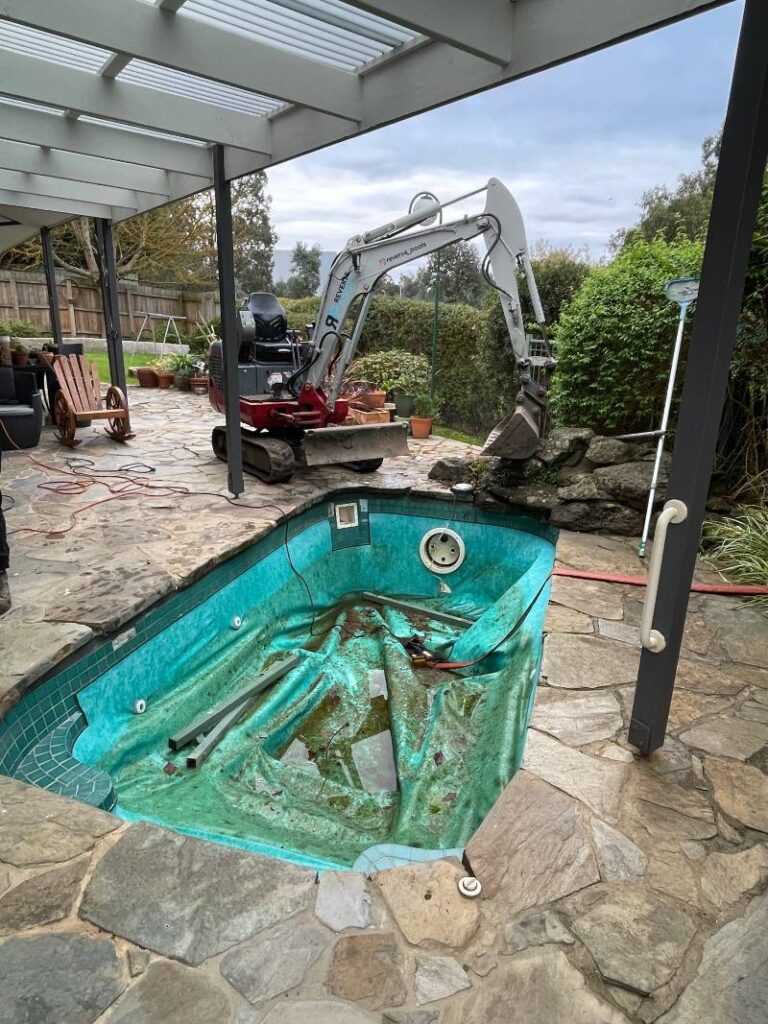
When you first decided to get a pool, it probably felt like a fantastic addition to your home. A place for fun, relaxation, and maybe even a bit of exercise. But as the years go by, and especially if your pool is getting on in age, the reality of keeping it in good shape can start to hit your wallet. It’s not just about the initial setup anymore; it’s about the ongoing expenses that can really add up. This is why considering swimming pool removal can be a financially sound decision in the long run.
Think about it: there’s the electricity to run the pump and any heating, the chemicals needed to keep the water clean and safe, and the water itself, which gets topped up regularly due to evaporation. Then there are the unexpected repairs that seem to pop up out of nowhere, from a leaky pipe to a malfunctioning pump. These costs aren’t always obvious when you first look at a pool, but they are definitely there, year after year. Here’s a rough idea of what you might be spending annually, beyond just the professional cleaning service:
Chemicals: Keeping the water balanced can easily cost between $700 and $1,200 each year, depending on your pool’s size and how often it’s used.
Electricity: Pumps, heaters, and lights all use power. Expect this to add anywhere from $800 to $3,500 annually to your bills.
Water: Evaporation and regular top-ups can add another $45 to $245 per year.
Repairs & Parts: Budgeting for filter replacements, pump servicing, or other fixes could mean an extra $2,000 to $4,000 annually.
These figures don’t even include potential increases in your home insurance premiums or the possibility of major equipment failures that could cost thousands to fix. It’s also worth considering the impact on your property value; while some buyers love a pool, others see it as a costly burden, potentially affecting resale.
It’s easy to get caught up in the dream of pool ownership, but the ongoing financial commitment is significant. Understanding these regular and unexpected costs is the first step to making informed decisions about your pool’s future.
Common Issues with Older Swimming Pools
As your swimming pool ages, you might start noticing a few more problems cropping up. These aren’t just minor annoyances; they can often lead to unexpected costs and a lot more work than you bargained for. Keeping an older pool in good nick requires a bit more attention, and understanding these common issues is the first step.
Structural Integrity: Cracks and Leaks
Over time, the very structure of your pool can start to show its age. You might find small cracks appearing in the plaster or fibreglass. While some might seem minor, they can be a gateway for water to escape, leading to leaks. These leaks not only waste water but can also cause significant damage to the surrounding area and even the pool’s foundation. If left unaddressed, these cracks can grow larger, potentially leading to more extensive and costly repairs, sometimes even requiring a full resurfacing.
Aging Equipment: Pumps, Filters, and Heaters
All the machinery that keeps your pool clean and warm has a lifespan. Older pumps might start to struggle, filters can become less efficient, and heaters may not heat as effectively or reliably. You might notice your pump running louder than it used to, or your filter needing more frequent cleaning. A struggling pump has to work harder, which can increase your electricity bill. Similarly, an inefficient heater will take longer to warm the water, also using more power. Sometimes, these parts can fail completely, leading to a sudden and often expensive replacement.
Plumbing Problems: Corrosion and Blockages
The pipes that circulate water through your pool system can also suffer from age. In older pools, you might encounter issues like corrosion within the pipes, which can lead to leaks or reduced water flow. Blockages can also occur, often due to debris or mineral buildup. These problems can affect water circulation, making your pool water cloudy and harder to keep clean. Clearing these blockages or repairing corroded pipes can be a fiddly and costly job, often requiring professional help.
Surface Degradation: Plaster, Tile, and Liners
The visible parts of your pool can also wear down. Plaster surfaces can become rough, stained, or develop calcium deposits. Tiles can loosen or crack, and vinyl liners can fade, tear, or become brittle. These issues don’t just affect the look of your pool; they can also impact its functionality and safety. For instance, a rough plaster surface can be unpleasant to swim against, and a damaged liner can lead to leaks. Addressing surface degradation might involve anything from a deep clean to a complete replacement of the affected material.
Increased Energy Consumption
It might not be immediately apparent, but a neglected pool can quietly inflate your electricity bills. When filters become clogged or the water chemistry is out of whack, your pool’s equipment, particularly the pump and heater, has to work overtime. This means longer run times and increased wear and tear, all of which translate directly to higher energy usage. Furthermore, scaling and corrosion within a dirty pool system can significantly reduce a heater’s efficiency, forcing it to consume more power to reach your desired temperature. If you’ve noticed a recent spike in your energy costs, your pool might be the culprit.
Higher Chemical Usage
When your pool’s water balance is consistently off, you’ll find yourself reaching for the chemical bottles far more often. Instead of simple, routine adjustments, you might need stronger doses of sanitisers and balancing agents to combat algae blooms or correct pH levels. This aggressive chemical treatment not only adds up in cost but also puts extra strain on your pool’s equipment. What could have been a minor expense for regular upkeep can quickly escalate into a significant outlay for emergency treatments.
Frequent Repairs and Maintenance
Ignoring the small issues with an older pool often leads to bigger, more expensive problems down the line. Surface damage, like stains or minor cracks, can worsen over time, potentially requiring costly professional cleaning or even full resurfacing. Similarly, aging equipment that isn’t regularly serviced is more prone to breakdowns. These unexpected repairs can be a significant financial burden, often costing more than consistent, preventative maintenance would have.
Potential for Major Overhauls
Sometimes, the cumulative effect of neglect means that minor fixes just won’t cut it anymore. You might find yourself facing the prospect of a complete equipment overhaul, replacing pumps, filters, and heaters that have reached the end of their lifespan due to constant strain. In more severe cases, structural issues like significant cracks or persistent leaks could necessitate a full pool renovation. These major projects represent a substantial investment, far exceeding the cost of regular, diligent care.
The true cost of pool ownership isn’t just the initial setup or the daily chemicals; it’s the ongoing commitment to maintenance that prevents small problems from becoming expensive disasters. Regular attention to your pool’s health can save you considerable money and stress in the long run.
When is it Time to Consider an Upgrade or Removal?
You’ve likely spent a good chunk of time and money keeping your old pool in shape. But at some point, you’ve got to ask yourself if it’s still worth it. If you’re constantly patching things up, shelling out for expensive repairs, or just feeling like the pool is more of a chore than a joy, it might be time to look at your options.
Making the choice between renovating, removing, or just keeping your old pool running often comes down to a few key factors.
Think about these points:
- The constant repair bills: Are you finding yourself calling the pool guy more often than you’d like? Small leaks can turn into big problems, and old equipment is always on the verge of breaking down.
- Your lifestyle: Do you actually use the pool as much as you used to? Maybe the kids have grown up, or your weekends are just too busy for upkeep. A pool that sits empty most of the year is a big drain on resources.
- Safety concerns: Older pools can present more risks, especially if there are structural issues or outdated safety features. This is a big one, particularly if you have young children or elderly family members visiting.
- The cost over time: While a renovation might seem like a good idea, it’s a significant upfront cost, and you’ll still have ongoing maintenance expenses. When you look at the total cost over five or ten years, removing the pool often works out cheaper.
Here’s a rough idea of what you might be looking at financially over a decade:
| Option | Upfront Cost (Approx.) | Annual Cost (Approx.) | 10-Year Total (Approx.) |
|---|---|---|---|
| Keeping Old Pool | $0 | $9,500 | $95,000 |
| Renovating + Maintenance | $30,000 | $8,000 | $110,000 |
| Removing Pool | $35,000 | $0 | $35,000 |
Remember, these are just averages. Your specific situation could vary. The key is to look beyond the immediate expense and consider the long-term financial and lifestyle impact.
Ultimately, choosing the best option for you involves weighing up the costs, the time you have available, and what you want from your backyard space. If the numbers don’t add up anymore, or if you’re ready for a change, exploring pool removal could be the smartest move you make.
Is Your Old Pool Draining Your Wallet?
So, we’ve looked at all the numbers, and it’s pretty clear: keeping an old pool running year after year adds up. It’s not just the chemicals and the electricity bills, is it? Those unexpected repairs and the constant upkeep can really take a toll on your finances and your free time. When you compare it to the cost of removal, which is a one-off expense, it makes you think. Most of the time, getting rid of the pool pays for itself within a few years, and then you’re saving money every single year after that. Plus, you get your backyard back for other things. It might be time to seriously consider if that old pool is still worth the hassle and the expense.