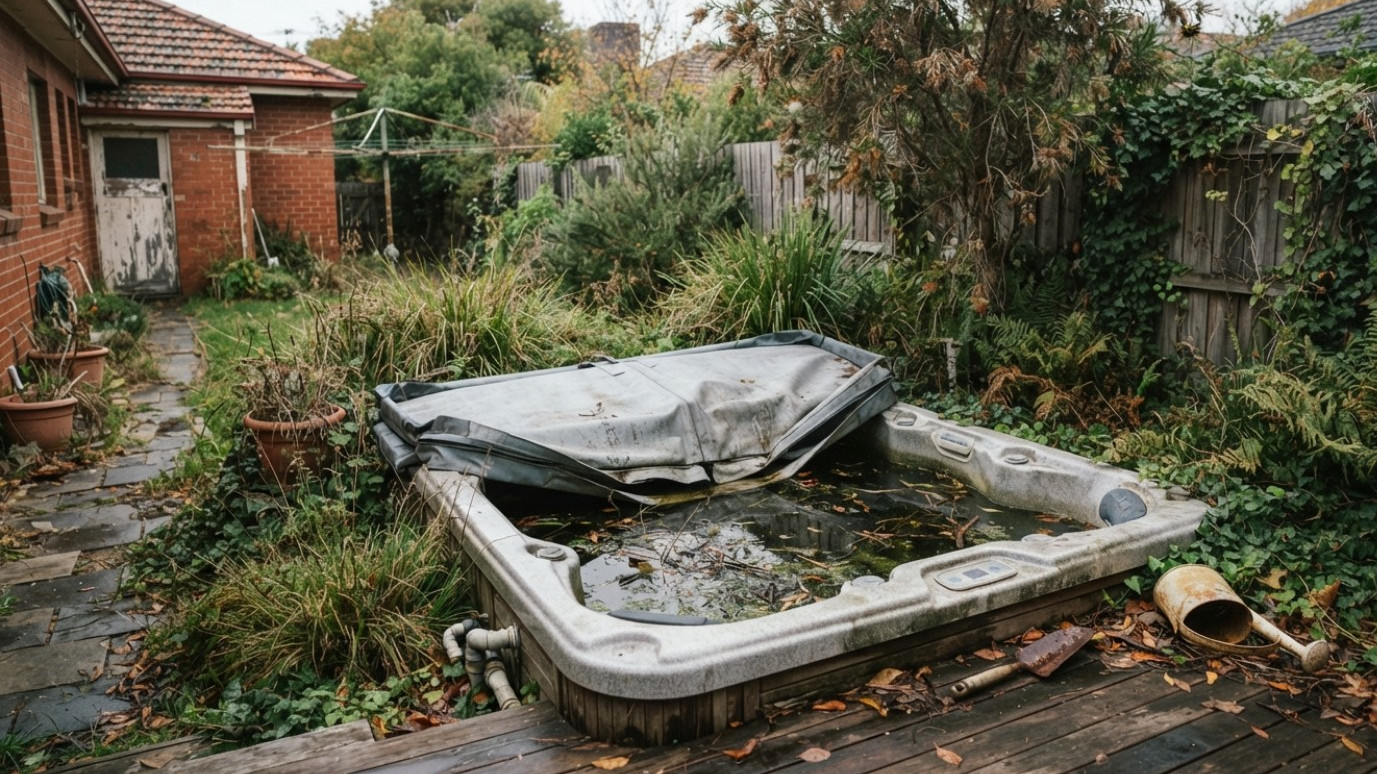
The pool’s been empty for two years. The kids have left home, the water bills kept climbing, and the decision to pull it out was made somewhere around the third quote for a new pump. The question most people land on at that point isn’t whether to do it — it’s how long the whole thing actually takes.
For a standard inground pool removal in Australia, most jobs run between three and five days of active work on site. That’s the demolition itself. The full process, from first contact to a finished, levelled yard, usually takes two to four weeks once you factor in council permits and contractor scheduling.
What Actually Happens During Swimming Pool Demolition
The method matters more than most homeowners expect. There are two main approaches — full removal, where the entire pool shell is broken up and carted away, and partial removal, which involves punching holes in the base, crushing the walls down into the excavation, and backfilling over the top.
Full removal is cleaner on paper. Nothing stays in the ground, and there are no future disclosure issues if you sell the property. It takes longer — typically four to five days for a mid-sized pool — and costs more in disposal fees because there’s significantly more material leaving the site. Partial removal gets the job done in two to three days. Honestly, for most residential properties that aren’t headed to market soon, it’s the more practical option.
Concrete pools take longer to break up than fibreglass. A fibreglass shell can sometimes be removed in a single day if conditions are good — easy access, no complications with the shell’s depth or shape. Concrete needs more machine time, more cuts, more haul loads.
The Permit Side Adds Time You Can’t Rush
Most local councils in Australia require a demolition permit before pool removal begins. The application process, depending on your council, adds anywhere from a few days to a few weeks. Some councils turn them around in three to five business days. Others sit on them.
Your pool contractor should handle the permit application as part of the job. If they don’t, that’s worth asking about before you sign anything. Delays at that stage push the whole timeline out, and there’s nothing productive to do while you wait.
There’s also utility location to sort out — underground services need to be marked before any excavation starts. Gas, water, electrical. Most contractors arrange this automatically, but it’s another step that can add a day or two to the lead time.
Access, Size, and a Few Things That Complicate the Timeline
A pool that’s easy to get machinery into is a different job from one behind a narrow gate or tight against a fence. We specialise in tight access excavation, but when excavators and bobcats can work freely, the job moves faster. Where they can’t, the crew spends more time on manual work and repositioning.
- Pool size: larger pools simply mean more material to break up and remove — a 10×5 metre pool and a 6×3 metre pool are not the same job
- Depth of excavation: deeper pools create more spoil, more compaction work, more time to backfill properly
- Age and condition of the shell — older concrete pools can be unpredictable; cracked or unstable shells change how the crew approaches the break-up
Landscaping requirements after the fill can also extend the job. If the backfill area needs to be graded, turfed, or prepared for a new surface, that work happens separately and may not be included in the demolition quote.
Average Time Needed for Pool Demolition — A Realistic Picture
If you’re planning around a timeline, work backwards from four weeks as a reasonable end-to-end estimate for inground pool removal — permit processing included. The physical work usually wraps in a week or less. Two to three days for a straightforward partial removal, up to five for a full concrete dig-out with good access.
Projects with permit delays, difficult access, or larger pools can stretch to six weeks. That’s not common, but it happens.
The yard won’t look finished the day the last truckload leaves. Fresh fill needs time to settle, sometimes months before it’s stable enough to build on or plant over. Then your focus can shift to your next project, whether it be landscaping, building a patio, extending your deck, or an extension to your house